Osaka Sumo Dinner & Interactive Wrestling Experiences
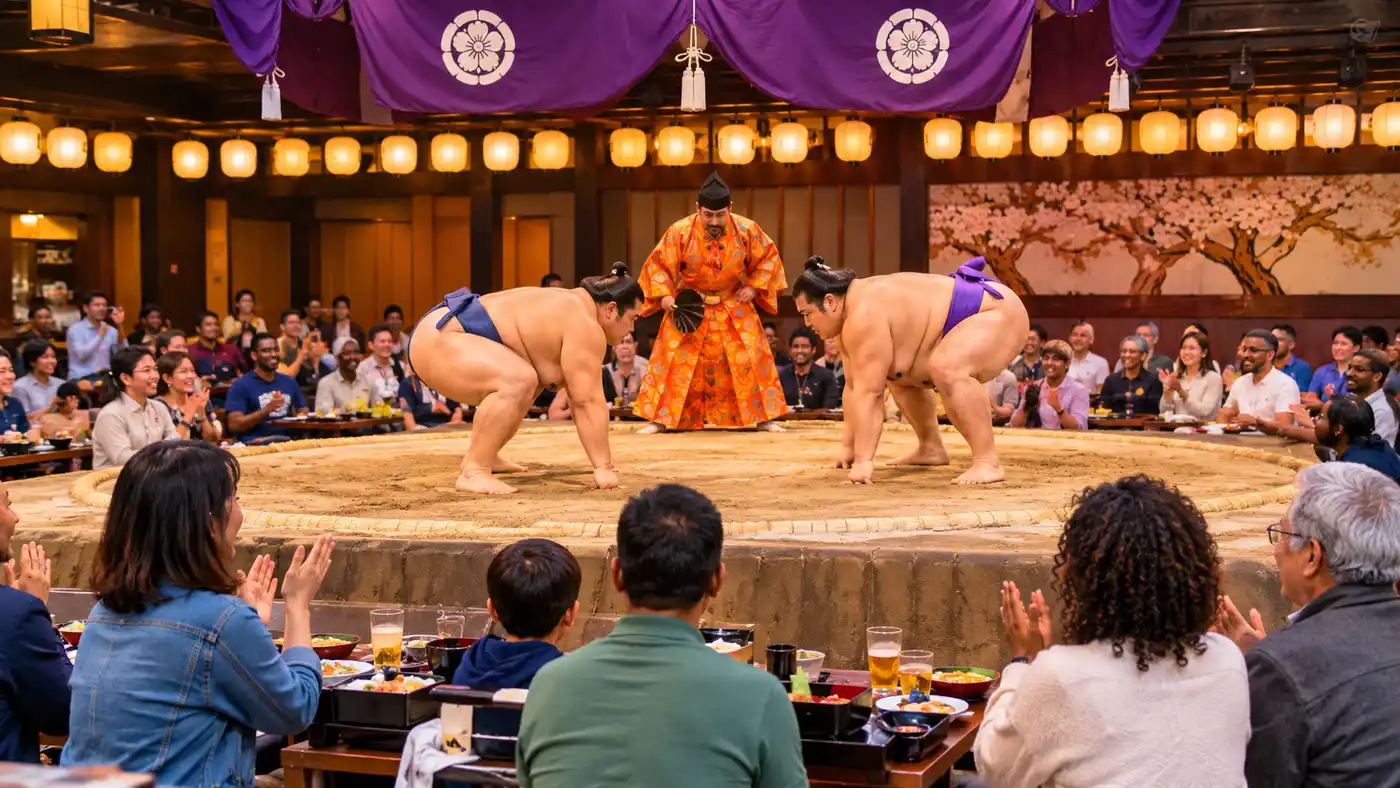
My shirt smelled like chicken stock and sweet binzuke hair oil for two days after the match. You sit three feet from a packed-dirt ring, tucking into a piping hot bowl of chankonabe stew, while two former professionals weighing a combined 600 pounds slam into each other with a sound like a wet mattress falling off a roof. Booking an osaka sumo dinner is hands down the most energetic evening out you can have in the city, especially if you miss the official March grand tournament. It blends dinner theatre, centuries of Shinto ritual, and genuine athletic comedy into something distinctly Kansai in spirit.
Most travelers think sumo in Japan is an uptight, silent spectacle where you sit on tatami mats for eight hours clutching a pair of binoculars. At an interactive dinner show, the dynamic flips completely. You eat hearty food, drink cold draft beer, learn how wrestlers actually train, and usually watch someone from the crowd get hurled onto a foam mat by a smiling giant. If you want a memorable night out in Namba or Dotonbori, here is everything you need to know about how these dinners work, what you get to eat, and where to book.
Book your sumo show osaka experience:
What to Expect at an Osaka Sumo Experience with Live Show
The doors usually open roughly 30 minutes before the performance begins. When you step inside, the first thing hitting your senses is the rich, savory steam coming off the kitchen vats. The layout mimics a traditional sumo hall on a miniature scale. Elevated seating rows or low dining tables surround an authentic clay ring called a dohyo. The floor around it is swept clean, and overhead lights illuminate the salt-strewn surface where the action takes place.
A host typically kicks off the evening by explaining the history and cultural weight behind every gesture. You see how wrestlers tie their mawashi, the thick silk loincloth that holds everything together during a bout. They demonstrate the deep leg stamps, known as shiko, meant to drive bad spirits down into the earth. It looks easy until the host invites people to copy it; your thighs will burn after just three repetitions. Then comes the technical breakdown, where the retired rikishi walk you through legal pushouts, throws, and the 82 winning moves recognized in professional sumo.
The comedic timing of these hosts is wonderful. Osaka has always been the comedy capital of Japan, and that local charm bleeds directly into the ring. During the demonstration bouts, the wrestlers act out forbidden fouls called kinjite. They yank hair, poke eyes, punch with open palms, and chase each other across the room in exaggerated panic. It gets the whole room laughing, breaking through any language barriers within five minutes. Yet when they switch gears to show authentic bouts, the raw power is staggering. The clash of skin on skin rings out sharply against the walls, reminding you that these guys dedicated decades of their lives to surviving the brutal stable system.
- Opening rituals: purification of the dohyo with salt, traditional bows, and the shiko leg-stomping ceremony.
- Rules and fouls: clear demonstrations of legal throws alongside exaggerated sketches showing prohibited moves.
- Live exhibition bouts: full-speed rounds showing realistic force, footwork, and ring awareness.
- Audience Q&A: open floor where guests ask about daily stable life, diet regimens, and retirement.
Inside a Sumo Wrestling Dinner Osaka: Food, Chanko, and Culture
Sumo food is legendary for a reason. The centerpiece of any proper meal is chankonabe, the protein-dense stew that wrestlers eat twice a day by the gallon to gain weight. Historically, wrestlers ate stew cooked exclusively with chicken because birds stand on two feet, just like a wrestler wants to remain upright in the ring. Four-legged animals like pigs or cows represented falling on all fours, which means instant defeat. Today, kitchens are more flexible, tossing in pork meatballs, tender chicken thighs, cabbage, enoki mushrooms, fried tofu, and thick udon noodles swimming in a rich dashi broth.
The portions at these venues are generous. You often get a simmering hot pot set right over a portable gas burner at your table, flanked by plates of crisp chicken karaage, edamame, and pickled radish. Some higher-tier packages add wagyu beef skewers or fresh sashimi platters. You scoop the stew into your personal bowl, douse it with shichimi togarashi spice, and wash it down with draft Asahi or cold green tea. Eating the exact food that fuels the sport while watching the wrestlers perform right in front of you creates a great sense of immersion.
Note: Vegetarian and vegan chankonabe broths are becoming more common in Osaka, but you must specify dietary restrictions at least 48 hours before your booking date since traditional broths rely heavily on bonito fish dashi.
A few spots around town lean harder into the dining tradition rather than the theatrical stage show. For instance, dining at a spot like sumo restaurant ochiizumibeya osaka gives you an authentic culinary setting run by former stable personnel. The focus there stays on the broth recipe, the historic photographs covering the walls, and casual conversation rather than staged matches. Whether you choose a high-production theatre or an intimate chanko parlor, finishing every scrap in your hot pot is basically a sign of respect to the kitchen.
Stepping into the Ring: The Audience Challenge
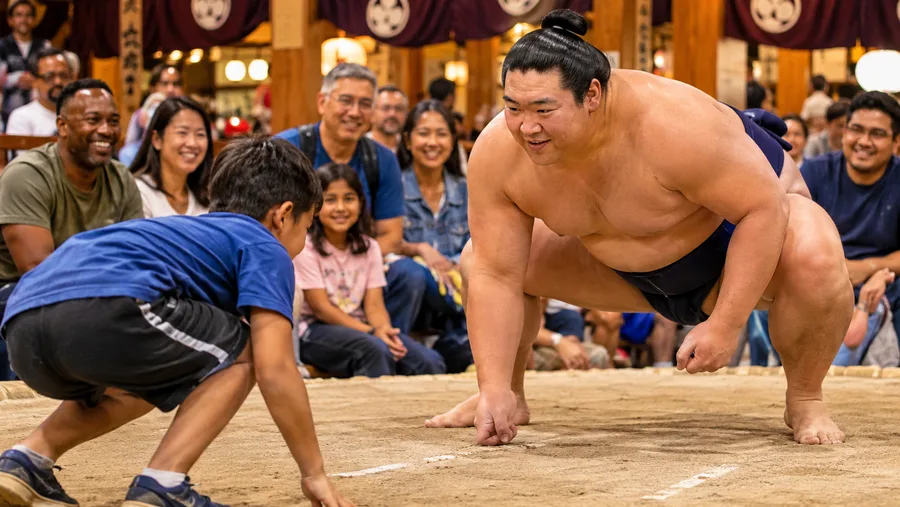
After the main exhibition wraps up, the host asks for volunteers. This is where an osaka sumo experience with live show and audience challenge turns from a spectator event into sheer comedy. They select five or six brave guests from the crowd, hand them comical padded sumo suits, and guide them up onto the sand. Watching a skinny software engineer from Denmark try to move an ex-pro wrestler who weighs 330 pounds is worth the admission price alone.
Pro tip: Wear comfortable slip-on shoes and dark socks. You must take off your footwear before stepping onto the ring perimeter, and fine sand from the clay will inevitably cling to your feet.
I put on the padded suit during my last visit, and the sheer density of a retired wrestler up close is terrifying. His chest felt like an oak door. You are instructed to charge full speed from your starting marker, plant your hands against his hips, and push with everything your legs have. The wrestler will let you push him right to the straw border, pretending to sweat and lose his balance, before lifting you clean off your feet by the waistband and spinning you in a slow circle. Everyone gets their picture taken mid-toss, face contorted in disbelief, while the rest of the dining room cheers.
For children who attend, the wrestlers are extraordinarily gentle. They will crouch down to knee height, let a seven-year-old push them backward with one finger, and throw themselves dramatically onto their backs with their feet kicking in the air. It makes the entire environment welcoming for families, bridging the gap between sacred sports history and pure entertainment.
Book your sumo show osaka experience:
Choosing the Best Sumo Experience in Osaka
Osaka has several distinct ways to enjoy wrestling alongside good food. The city center, particularly around Namba and Minami, houses modern performance halls dedicated solely to international guests, whereas older neighborhoods offer traditional restaurants where retired rikishi simply cook and chat. Choosing between them comes down to whether you want a high-octane stage show or a quiet cultural meal.
If you want the full theatrical setup with polished lighting and multilingual hosts, booking a ticket at The Sumo Hall Hirakuza Osaka is easily the most popular option right now. Located near Namba Parks, it runs multiple seatings daily and delivers an exceptional balance of storytelling, choreographed bouts, and hearty dinner sets. For travelers who prefer checking out genuine tournament settings or morning training instead, browsing through where to watch sumo in Osaka will help you see when the official grand basho is in town.
| Venue / Experience | Location | Average Cost | Key Highlight |
|---|---|---|---|
| The Sumo Hall Hirakuza | Namba | ¥12,500 - ¥16,000 | Polished live show, ring challenge, English host |
| Traditional Chanko Parlors | Tennoji / Umeda | ¥4,500 - ¥7,500 | Authentic wrestler stew recipes, quiet dining |
| Interactive Training Classes | Outer Osaka | ¥9,000 - ¥14,000 | Hands-on grappling practice and conditioning drills |
| Pop-up Dinner Theatres | Dotonbori | ¥11,000 - ¥15,000 | Lively comedy sketches, beer pairings, central location |
Interactive training workshops offer an even deeper dive for active travelers. Enrolling in a small sumo wrestling class in osaka japan allows you to skip the dinner side entirely and spend two hours learning balance, footwork, and throwing techniques directly from experienced practitioners. These classes are rare and physically demanding, leaving you sore in muscles you did not know existed, but the insight you gain into the physical discipline of the sport is unmatched.
Practical Tips for Booking and Etiquette
Because dinner shows have limited seating around the dohyo, they fill up fast. The average venue accommodates between 40 and 80 diners per session to guarantee everyone has an unobstructed view of the ring. During the cherry blossom season in late March and the autumn foliage rush in November, seats sell out roughly four weeks in advance. Weekday lunch seatings tend to have better availability than evening slots, so stay flexible with your schedule if you are booking on short notice.
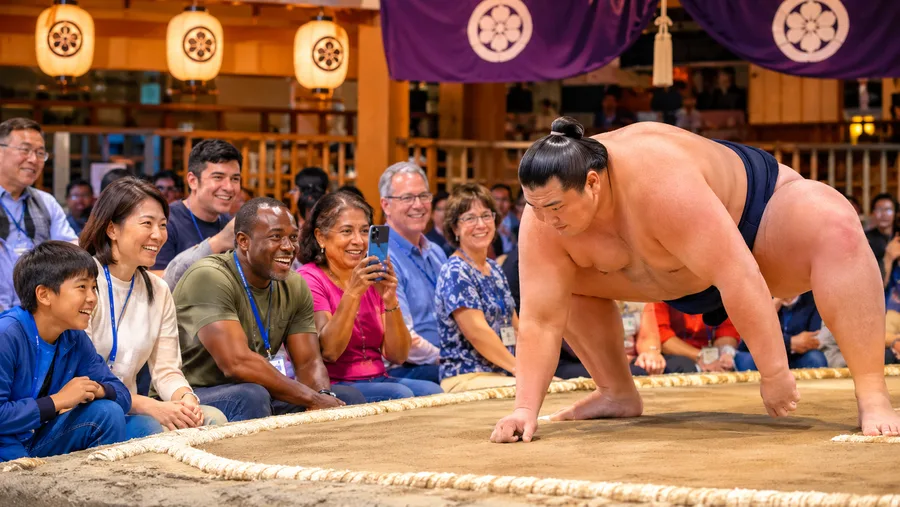
When you arrive, the staff will guide you through basic ring etiquette. Even in an entertainment venue, the clay ring retains cultural sanctity derived from Shinto beliefs. Stepping onto the clay without permission or while wearing outside shoes is strictly forbidden. Keep your feet tucked under the low tables, avoid resting your drinks on the wooden barriers surrounding the ring, and follow the host's instructions when the bouts are underway. The wrestlers move fast, and an accidental fall into the front row can easily happen if guests lean out too far with their cameras.
- Book three weeks out: prime dinner slots sell out quickly, particularly on Friday and Saturday nights.
- Arrive 20 minutes early: check-in procedures and shoe storage take time, and missing the opening ceremony throws off the flow.
- Keep camera flashes off: sudden lights can blind wrestlers during high-impact lunges, creating a safety hazard.
- Prepare a small cash tip: some venues allow you to buy wrestler tokens to tip the performers during photo ops.
Before or after your dinner, taking an hour to browse the modest sumo museum osaka exhibits located near the Edion Arena can add great context to your meal. You can see vintage woodblock prints depicting Edo-period champions, historic silk aprons called keshō-mawashi stitched with gold thread, and the wooden ranking boards that tracked rivalries over two centuries ago. It deepens your appreciation for the athletes you watch across the dinner table.
Frequently Asked Questions about osaka sumo dinner
How long does a typical sumo dinner show last?
Most shows run between 90 and 120 minutes. This provides roughly 40 minutes for dining and drinking, followed by an hour of live demonstrations, exhibition matches, and the audience challenge.
Can children participate in the ring challenge?
Yes, almost all interactive shows welcome children into the ring. The wrestlers take great care with younger guests, playfully falling over when pushed and ensuring a safe, memorable interaction.
Is the food served as an all-you-can-eat meal?
Standard packages include a fixed, multi-course meal centered on chankonabe stew, which is quite filling. Some venues offer free refills on extra noodles or soup broth, while drinks are usually sold separately or via an optional all-you-can-drink add-on.
Quick Reference
- Duration: 90 to 120 minutes per seating
- Average dinner cost: ¥11,000 to ¥16,000 per adult
- Main dish: Chankonabe chicken and vegetable hot pot
- Audience attire: Casual, slip-on shoes recommended
- Best booking window: 3 to 4 weeks in advance
Book your sumo show osaka experience:
Is It Worth It?
An interactive dinner show costs significantly more than a casual bowl of ramen in Dotonbori, but you are not just paying for dinner. You are paying for an intimate, boisterous look inside a closed sports culture that few outsiders ever see up close. Between the rich broth, the thunderous clatter of two athletes colliding five feet from your soup bowl, and the belly laughs as your fellow tourists get hurled into foam mats, it is worth every yen. Secure your seats well ahead of your travel dates, come hungry, and do not hesitate to raise your hand when they ask who wants to step onto the clay.
Read more about sumo show osaka.